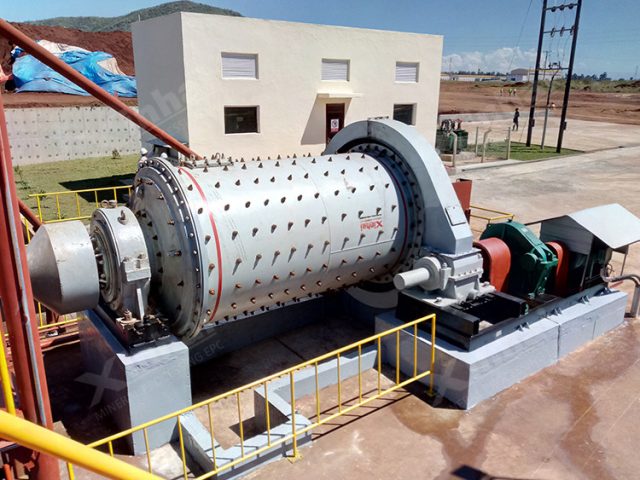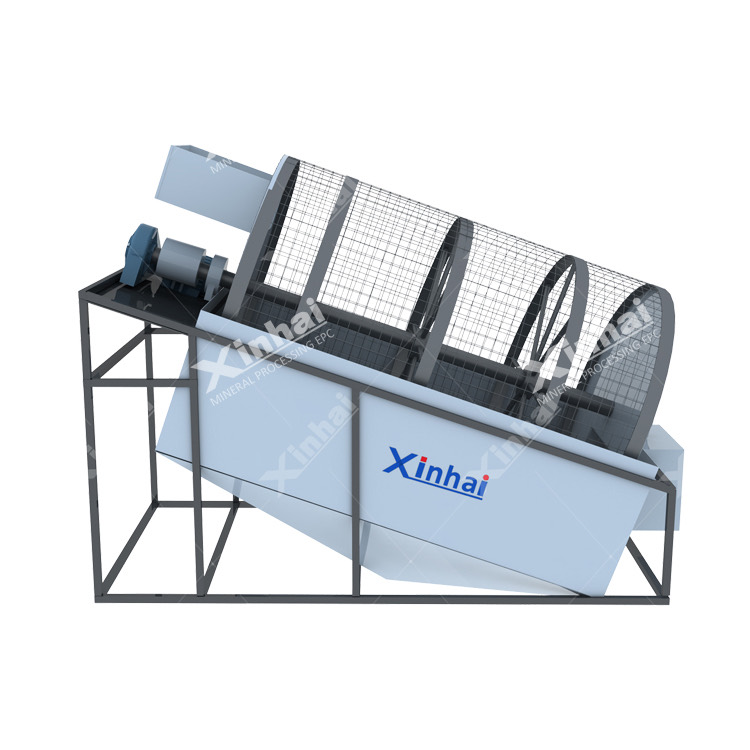
A trommel screen tumbles material inside a rotating drum, scrubbing sticky feeds and washing fines through apertures. A vibrating screen shakes a flat or inclined deck for high-speed dry sizing and multiple size fractions. Choose a trommel for clay-bearing wash duty and low headroom; choose a vibrating screen for dry, free-flowing, high-tonnage separation.
When you feed a sticky, clay-heavy ore into the wrong sizing machine, you’ll spend more time washing decks than processing rock. A trommel screen is a rotating cylindrical drum with perforated plate or mesh panels. Material lifts as the drum turns, tumbles back onto the screen surface, and undersize falls through the apertures. That tumbling action is the key difference between a trommel screen and a vibrating screen. A vibrating screen shakes a flat or inclined deck with high-frequency linear or circular motion, carrying material along the surface while particles smaller than the opening pass through. Both machines separate by size, but the way they move material changes everything about capacity, wear, and suitability for different feed types.
This guide walks through the core selection factors for trommel screen vs vibrating screen applications. You’ll find comparison sections for sticky feed, dry sizing, capacity per square metre, and maintenance, plus a decision table at the end. Explore our screening equipment range to see both machine types in mineral processing duty.
How a Trommel Screen Works
A trommel screen is a type of rotary screen that consists of a slowly rotating cylindrical drum, typically inclined slightly from horizontal. The drum surface is made of perforated plate, woven wire mesh, or polyurethane panels with apertures sized to the target cut point. Material enters at the feed end. As the drum turns, internal lifters or flights pick up the material and drop it back onto the screen surface. Undersize particles pass through the apertures, while oversize material moves along the drum length and discharges at the far end. Rotational speed, drum diameter, aperture size, and feed moisture all affect screening performance.
On a gold trommel screen, water sprays are often fitted inside or above the drum. The tumbling action combined with water breaks down clay balls and washes fine particles through the screen. McLanahan, an established OEM, describes trommel screens as rotating drums that separate material by size while also providing a scrubbing action for sticky feeds (McLanahan Trommel Screens). You can see how this works in a gold plant context on our gold trommel screen product page.
For example, a 2 m diameter drum with 8 mm round holes running at 10–12 rpm will handle a few hundred tonnes per hour in a wash plant, but exact throughput depends on feed density and clay content.
How a Vibrating Screen Works
A vibrating screen uses a flat or slightly inclined deck that is excited by a vibrator motor, eccentric shaft, or electromagnetic drive. The deck typically consists of one or more screen panels with square or rectangular apertures. Feed drops onto the deck. Vibration throws particles upward and forward, stratifying the bed: finer particles settle near the deck and pass through the apertures, while coarser particles travel toward the discharge end. Screens can be set at angles from 0° to 45°, with linear motion for horizontal screens and circular motion for inclined screens.
The sharp, high-frequency motion gives vibrating screens their advantage in dry sizing and high-tonnage applications. Multiple decks can be stacked in one machine to produce three or four size fractions from a single feed. McLanahan’s vibrating screen range includes both circular and linear motion designs (McLanahan Vibratory Screens). For a closer look at a circular motion design, see our circular vibrating screen page.
Where a Trommel Screen Wins
Trommel screens win when the feed contains sticky clay, heavy soil, or alluvial material that needs scrubbing. The rotating drum tumbles the material over itself, breaking apart lumps while water sprays wash the fines through the apertures. A vibrating screen deck rarely gets that kind of scrubbing action; clay can blind the openings within minutes. In alluvial gold processing, a trommel screen is often the first stage after the feed hopper because it handles wet, lumpy gravel without plugging.
Low headroom is another trommel advantage. A horizontal rotating drum sits lower than an inclined vibrating screen with the same aperture size, which helps inside containers, portable wash plants, or underground installations. If you’re designing a wash plant with restricted vertical space, a trommel screen might be the only practical sizing option.
Where a Vibrating Screen Wins
Vibrating screens win for dry sizing, high tonnage per square metre of screen area, sharp cut points, and multiple size fractions in one machine. The high-frequency vibration fluidizes the particle bed, allowing fines to find the deck quickly. That means a vibrating screen of a given surface area can process much more dry material than a trommel of the same projected area. For example, a 2.4 m wide single-deck vibrating screen handling crushed rock at an 8 mm cut point can process 200 t/h of dry feed, while a trommel of similar footprint might struggle at half that rate because only part of its surface is actively screening at any moment.
Sharp cut points matter when downstream processes demand tight size control, such as feeding a ball mill or gravity circuit. A trommel’s tumbling action allows some near-size particles to pass irregularly; a vibrating deck’s high-frequency motion produces a cleaner separation between oversize and undersize. Stacked decks also let one machine produce three or more fractions, reducing the number of separate screens required.
Capacity and Screening Efficiency Trade-off
Screen capacity is usually expressed in tonnes per hour per square metre of screen surface. Screening efficiency is the percentage of undersize material in the feed that actually reports to the undersize product. For any screen, increasing feed rate raises capacity but lowers efficiency because the bed depth increases and fine particles have less opportunity to reach the deck.
A trommel screen only uses a portion of its total screen surface at any one time. The material occupies a sector of the rotating drum, often 10–20% of the full cylinder, depending on drum diameter, speed, and feed angle. The rest of the drum surface is empty during that rotation. A vibrating screen, by contrast, uses the entire deck width and most of the deck length continuously. That is why a vibrating screen delivers higher capacity per square metre of screen area for dry, free-flowing feeds. But the trommel’s tumbling action can improve efficiency on sticky material because it constantly re-exposes the bed, allowing fines to escape that would otherwise blind a flat deck.
Wear and Maintenance Differences
Trommel screen wear concentrates on the drum surface itself, particularly the screen panels, lifters, and drive components. As material tumbles inside the drum, it impacts the screen media repeatedly. Oversize rocks also strike the internal structure. You’ll replace screen panels or wire mesh sections periodically. Maintenance access is straightforward: open the drum housing and replace individual panels without removing the entire screen. But rotating components—trunnion rollers, gear rings, drive chains—need regular lubrication and alignment checks.
Vibrating screen wear focuses on the screen cloth, support springs, and vibrator bearings. The screen panels wear from particle impact and abrasion, but the biggest maintenance item is usually the vibrating mechanism. Bearings and shafts operate under continuous high-frequency stress, so oil levels, temperature, and vibration signatures should be monitored. Screen decks can be changed by loosening tensioning bolts and sliding out the panel. Vibrating screens also require regular inspection for cracks in the side plates and cross members due to fatigue loading.
In short, trommels trade more frequent panel replacement for fewer critical rotating parts, while vibrating screens demand closer attention to the vibrator assembly.
Decision Table by Feed Type
The table below summarises the trommel screen vs vibrating screen choice for common feed conditions in mineral processing. Use it as a starting point; always confirm with test work on your own ore.
| Feed condition | Preferred machine | Reason |
|---|---|---|
| Sticky clay or alluvial gravel | Trommel screen | Tumbling scrubs clay lumps; water sprays wash fines through. |
| Dry crushed rock with sharp cut point | Vibrating screen | High-frequency vibration gives sharp separation; multiple decks possible. |
| High tonnage, free-flowing sand | Vibrating screen | Higher capacity per square metre of screen surface. |
| Wash duty with low headroom | Trommel screen | Horizontal drum fits in low-profile plants and containers. |
| Multiple size fractions in one machine | Vibrating screen | Multi-deck configuration produces 3–4 products. |
| Very abrasive feed | Trommel or heavy-duty vibrating screen | Both can use wear-resistant liners; trommel can use thick rubber panels, vibrating screen can use polyurethane. |
Conclusion
For sticky, clay-bearing, alluvial, or wash-heavy feeds under low headroom, a trommel screen usually fits better because the rotating drum scrubs the material and prevents blinding. For dry, free-flowing feeds needing high tonnage per square metre, sharp cut points, or multiple size fractions, a vibrating screen is the more efficient choice. Your final selection depends on feed moisture, clay content, required capacity, and available space. Test a representative bulk sample on both machine types if possible. Xinhai supplies both trommel screens and vibrating screens for mineral processing plants; contact our team for help matching the right screen to your feed.
Frequently Asked Questions
What is the main difference between a trommel screen and a vibrating screen?
A trommel screen rotates a cylindrical drum to tumble material and pass undersize through apertures, adding a scrubbing action. A vibrating screen shakes a flat or inclined deck with high-frequency motion to stratify and separate particles.
When should I choose a trommel screen for my mineral processing plant?
Choose a trommel when the feed is sticky, clay-bearing, alluvial, or requires washing and scrubbing. It also suits low-headroom installations because the horizontal drum sits lower than an inclined vibrating screen.
Can a vibrating screen handle wet or sticky material?
A vibrating screen can handle some moisture, but sticky clays tend to blind the deck openings quickly. For heavy clay or alluvial feeds with scrubbing requirements, a trommel screen is more reliable.
Which screen has lower maintenance: trommel or vibrating?
Maintenance differs by component. Trommel screens require more frequent panel replacement due to tumbling impact, while vibrating screens need close monitoring of the vibrator bearings, springs, and side plates for fatigue cracks.