
Xinhai delivers end-to-end mineral processing solutions tailored to each ore: we test your sample, design the flowsheet, manufacture the equipment, and build and commission the plant. Solutions cover gold, copper, lead-zinc, lithium (spodumene), iron, chrome, tin, manganese, molybdenum and silver, backed by what the company reports as 2,500+ mine projects across 100+ countries.
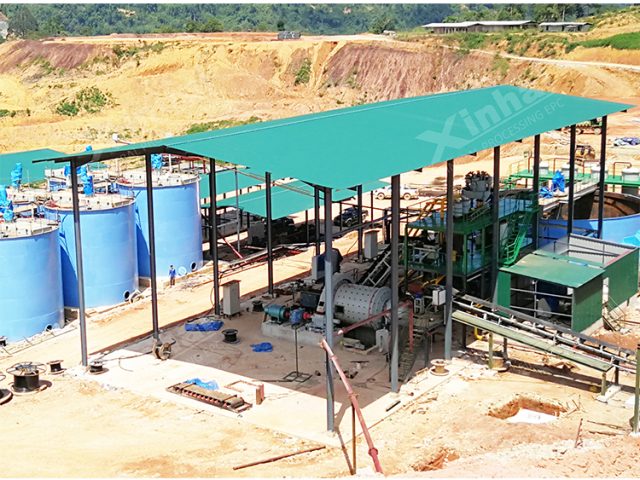
Gold Processing Plant Solutions
Gravity, flotation and CIL/CIP cyanidation tailored to your ore
View flowsheet →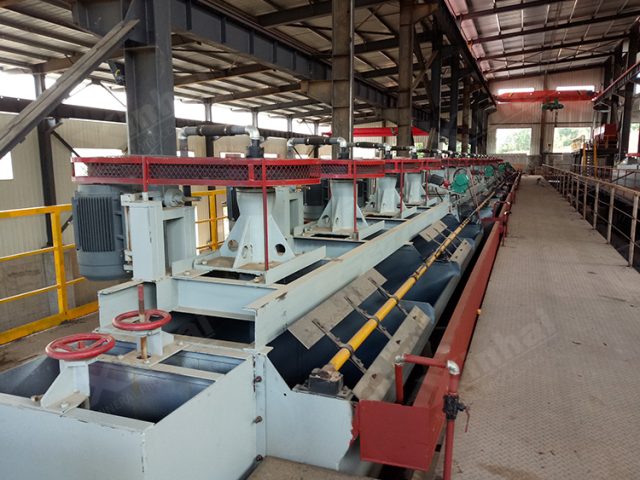
Copper Ore Processing Plant Solution
Froth flotation flowsheets for sulfide and oxide copper ores
View flowsheet →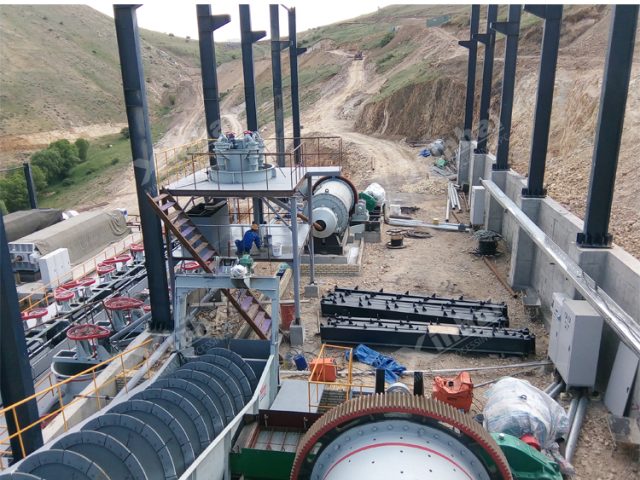
Lithium (Spodumene) Processing Solution
Crushing, DMS and flotation to 6% Li2O spodumene concentrate
View flowsheet →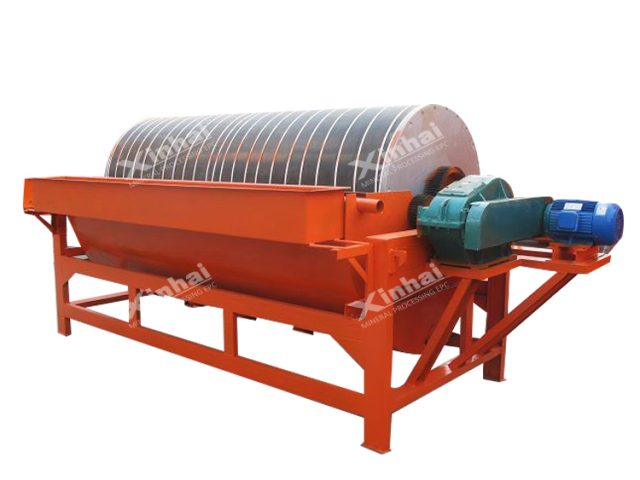
Iron Ore Processing Solution
Magnetic separation flowsheets for magnetite and hematite
View flowsheet →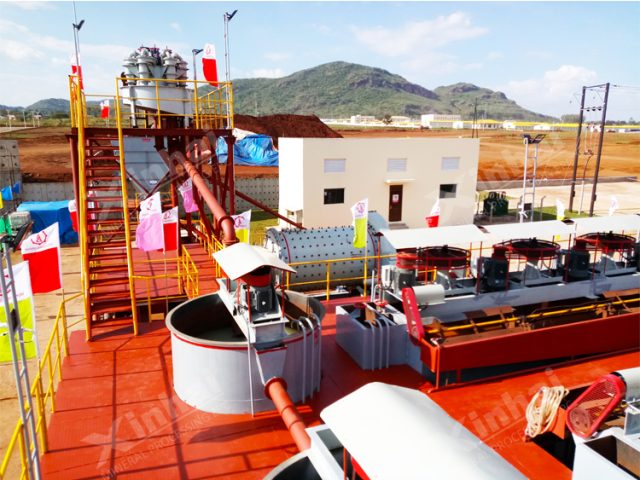
Chrome Ore Beneficiation Plant & Solution
Gravity concentration for alluvial and hard-rock chromite
View flowsheet →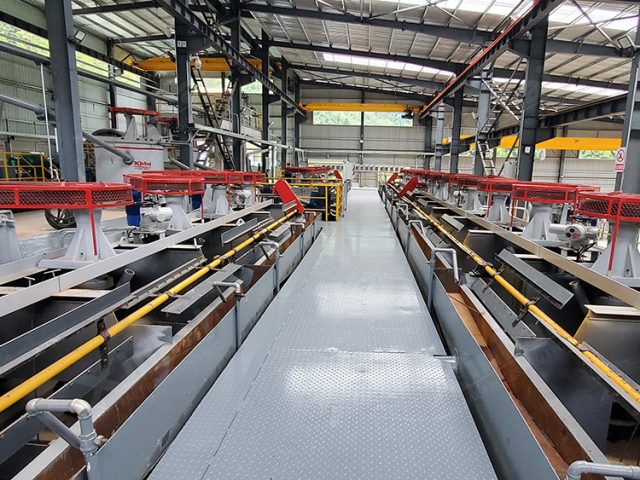
Lead-Zinc Ore Processing Solution
Selective flotation that splits clean Pb and Zn concentrates
View flowsheet →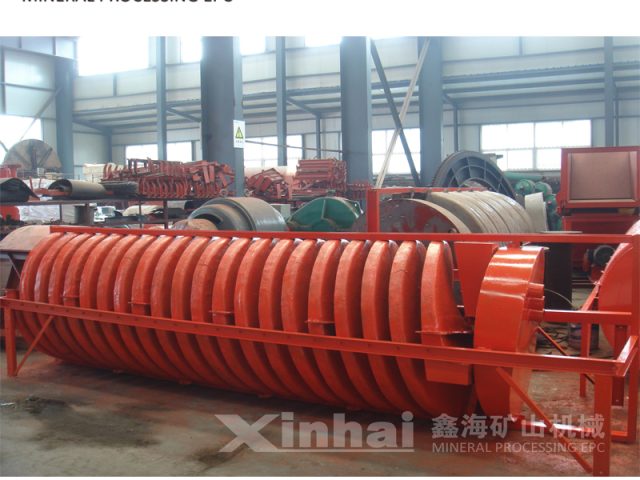
Tin Ore Processing Solution
Gravity-led recovery of cassiterite, with fines captured separately
View flowsheet →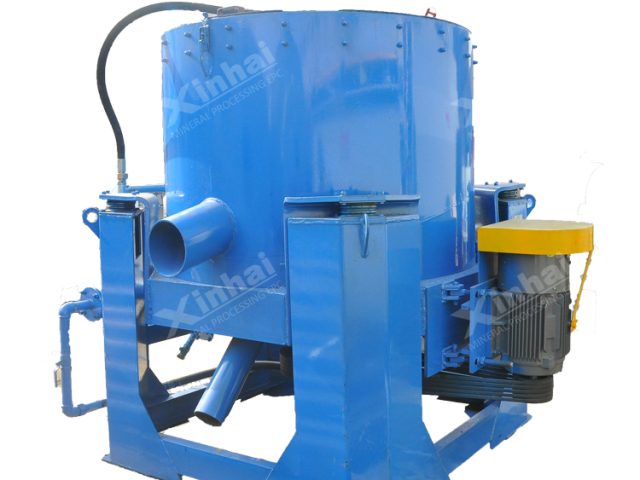
Manganese Ore Processing Plant & Solution
Wash, gravity-sort and magnetically upgrade to a saleable Mn grade
View flowsheet →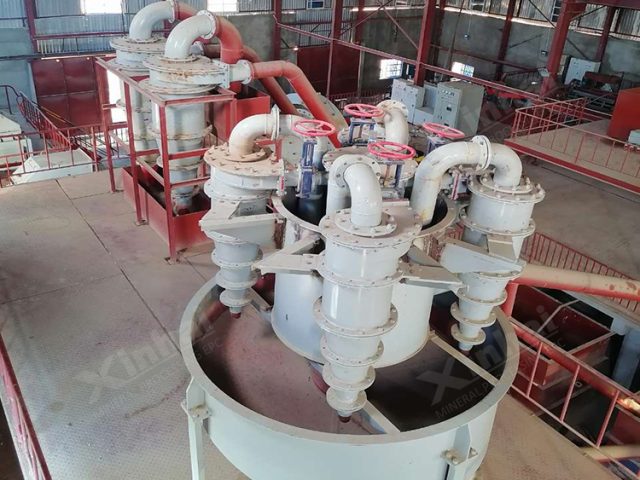
Molybdenum Processing Solution
Bulk flotation then many cleaner stages to a high-grade MoS2
View flowsheet →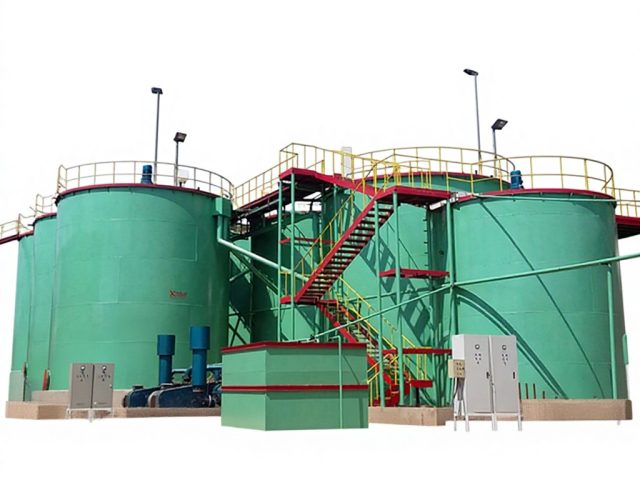
Silver Ore Processing Solution
Flotation or cyanidation, with Merrill-Crowe for high-silver ore
View flowsheet →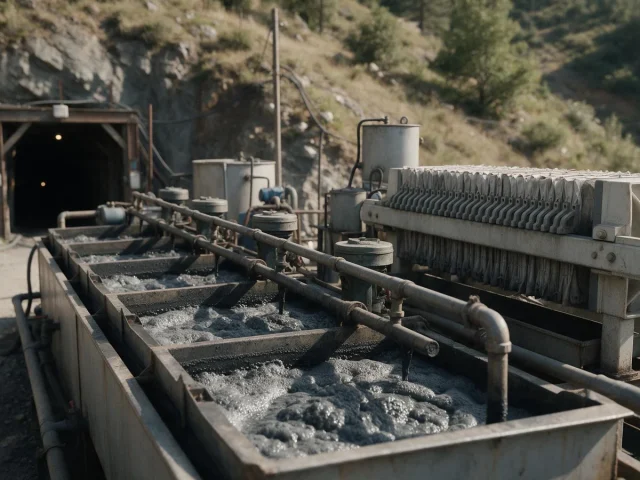
Lead Ore Processing Plant for Small Silver Mines
Turnkey flotation concentrators for small underground lead-silver mines, typically 100-500 t/d
View flowsheet →How to choose the right process for your ore
The dominant separation method is set by how the valuable mineral is locked in the ore and how it differs from the gangue — by density, surface chemistry, magnetic susceptibility or solubility. Most plants combine two or three of these. Use the table as a starting point, then confirm the route with a bench-scale test on your own sample.
| Ore | Dominant process route | Core equipment |
|---|---|---|
| Gold (free-milling) | Gravity + CIL/CIP cyanidation | Centrifugal concentrator, leaching tanks, elution-EW |
| Gold (refractory) | Flotation + pretreatment + leaching | Flotation cells, agitation tanks |
| Copper / molybdenum | Froth flotation | Ball mill, flotation cells, thickener |
| Lithium (spodumene) | Crush–grind, DMS + flotation | Crushing, flotation, magnetic separation |
| Iron | Magnetic separation (wet / dry) | Wet drum & dry separators |
| Chrome / tin / manganese | Gravity concentration | Spiral chute, shaking table, jig |
| Lead-zinc | Selective (differential) flotation | Flotation cells, classifiers |
Not sure which applies? Send an ore sample or its assay and target product — our test center runs bench-scale and pilot work and returns a recommended flowsheet, equipment list and budgetary quote. See how EPC+M+O delivery works or browse delivered projects.
Frequently asked questions
How do you decide gravity vs flotation vs leaching?
By mineralogy. Coarse, liberated heavy minerals (free gold, cassiterite, chromite) favor gravity; fine sulfides (copper, lead-zinc, refractory gold) favor flotation; dissolved-recoverable gold/silver favors cyanide leaching. Most flowsheets combine routes — e.g. gravity ahead of leaching to catch coarse gold and cut reagent cost.
What do you need from me to design a flowsheet?
Ideally a representative ore sample (a few kg) or a full assay, plus your target capacity (t/d), head grade, desired product and site constraints (power, water, climate). With that we can test, design and quote.
Can you supply just equipment instead of a full plant?
Yes. Xinhai supplies individual machines (OEM/ODM) as well as complete turnkey plants under EPC+M+O. The same engineering team sizes the units either way.
Which ores do you have experience with?
Gold, silver, copper, lead-zinc, molybdenum, lithium (spodumene), iron, chrome, tin, manganese and several industrial minerals — across what the company reports as 2,500+ mine projects in 100+ countries.