Sand machinery selection starts with the target manufactured sand specification. Match the machine to fineness modulus, particle shape and clay content, not just to a capacity number. The line usually combines crushing for aggregate, shaping for sand, screening, washing and dewatering with water recycling.
Most conversations about sand machinery kick off with a crusher, but that’s backwards. You’re not buying a crusher first. You’re buying a way to hit a sand specification. And the choice only makes sense after you define the target fineness modulus, particle shape, clay limit and moisture you need at the product belt. Once you have that, the machine lineup falls into place.
Manufactured sand is fine aggregate produced by crushing rock, recycled concrete or slag to a controlled particle size distribution. It’s an alternative to natural sand. You’ll usually see it specified by fineness modulus, particle shape, and the maximum allowable amount of material passing the 75-micrometre sieve. People often call a vertical shaft impactor a sand making machine, but the full line includes more than one machine type.
Crushing for Aggregate Is Not Shaping for Sand
It’s tempting to think a jaw or cone crusher can make sand if you close the setting far enough. That produces a lot of fines, but not the right fines. Aggregate crushing reduces top size while preserving cubicity and minimizing flaky or elongated particles. Sand shaping is a separate step. It rounds off edges and controls the ultrafine fraction. You don’t get that by simply pushing rock through a tighter gap.
Why does the difference matter? Because manufactured sand performance in concrete depends on both grading and shape. Poorly shaped sand with too many flat particles increases water demand and reduces workability. Well-shaped sand from a dedicated shaping machine behaves more like natural sand. That’s why a crushing circuit for manufactured sand usually has a primary and secondary stage for aggregate, then a tertiary or quaternary stage that is a sand making machine, often a vertical shaft impactor or a rod mill.
VSI and Rod-Mill Routes: What They Actually Do
A vertical shaft impactor, or VSI, is a sand making machine. It accelerates rock into a crushing chamber using a high-speed rotor. Particles fracture by impact and attrition, which tends to give you a more cubical shape and a more controlled fines distribution than compression crushing. VSIs are common in manufactured sand plants because you can adjust rotor speed, cascade ratio and anvil configuration to shift the grading curve.
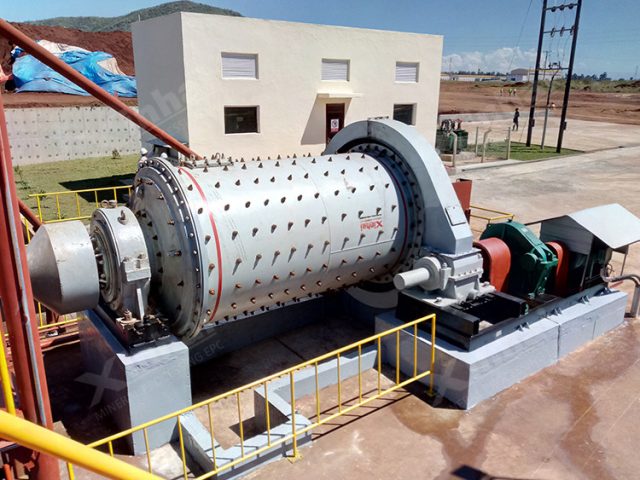
A rod mill is a tumbling mill that uses steel rods as the grinding media. Rods grind by line contact instead of point contact. That reduces overgrinding and produces a more uniform product with fewer ultrafines. The rod-mill route was standard in many older sand plants. It’s still preferred when you need tight control on top size and a low clay or silt content, because the rods scrub the particles as they grind. Both routes feed a screening and washing circuit, but the choice between VSI and rod mill depends on feed hardness, abrasiveness and the target specification.
The knowledge base warns that sample catalog parameters are for standard machines and actual performance changes with feed gradation and ore properties. Final selection must rely on test work, process calculations and vendor confirmation. Don’t pick a VSI because its brochure says it can make sand. Run a sample through it first.
Screening and Washing Control Fines and Shape
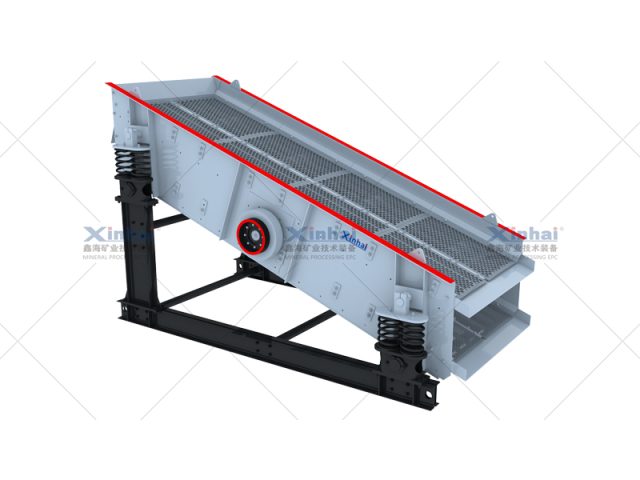
After shaping, the sand goes to screening. Screens separate the product into size fractions so you can reject oversized material or recirculate it. The screen opening you choose sets the top size of your manufactured sand. Pick an opening that’s too large and you’ll let in particles that hurt the fineness modulus. Pick one that’s too small and you reduce yield, plus the screen can blind if the material is damp.
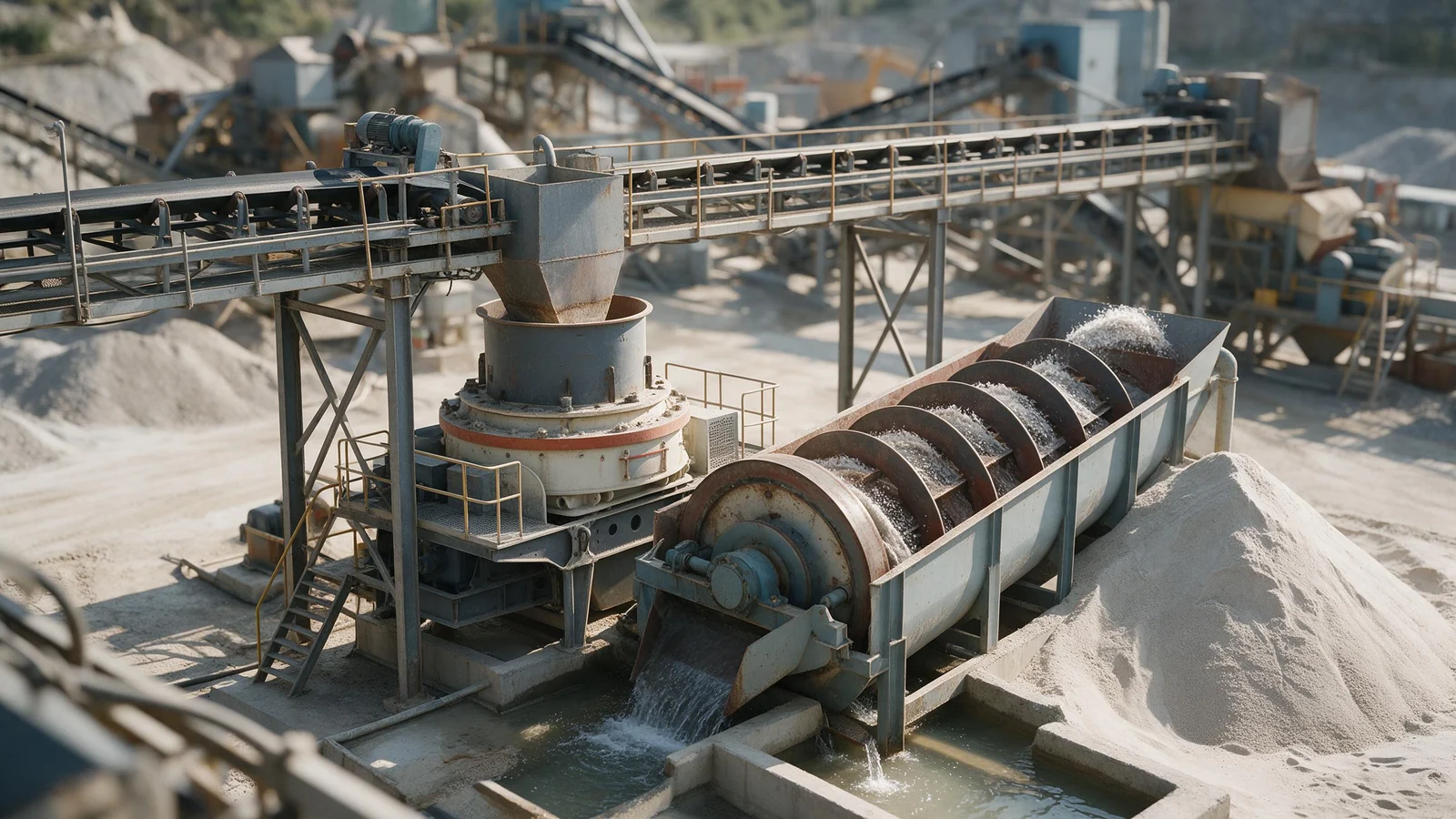
Washing comes next, and it’s the main control for clay and silt. Clay particles are usually finer than the sand product and stick to grain surfaces. A log washer or a screw classifier can remove a good portion of them. For tight clay limits, though, you may need a dedicated wet screening and washing line with a hydrocyclone. The hydrocyclone classifies the sand slurry and rejects a fine overflow that carries most of the clay and ultrafine particles. The underflow becomes the final sand product after dewatering.
You should also consider a vibrating screen with water sprays. It’s simple, but it can wash and dewater in one piece of equipment. The final product emerges with a moisture content that depends on the screen type, residence time and feed rate. That moisture level matters. Too much water in shipped sand adds freight cost and can cause handling problems.
The Specification Picks the Machine
Fineness modulus is a dimensionless index calculated from the cumulative percentages retained on a specified series of sieves. A lower fineness modulus means a finer sand. A higher value means coarser. If your customer specifies a fineness modulus range, you adjust the sand making machine’s operating parameters and the screen openings until the product lands inside that range. The specification is not optional.
Particle shape is harder to measure in the plant. It shows up as a flakiness index or a shape index. A VSI with a high rotor speed and a low cascade ratio tends to produce more cubical particles. A rod mill naturally limits flat particles because rods break along grain boundaries. If the specification calls for a low flakiness index, that pushes you toward a VSI with the right configuration or a rod mill with the correct rod charge.
Clay content is controlled by washing, but it also influences the sand making machine choice. A sticky, clay-rich feed will blind a dry VSI and plug a rod mill’s grates. In that case, you’d add a wet trommel or a washing and dewatering circuit upstream. The stated clay limit in the sand specification drives how much washing capacity you need.
No single machine solves all three constraints. The line is an integration of crushing, shaping, screening, washing and dewatering. You’ll see this in almost every EPC project design for a sand plant.
Dewatering and Water Recycling: What the Line Implies
Manufactured sand leaves the washing stage as a slurry. You can’t sell slurry. Dewatering removes enough water so the sand can be stockpiled and shipped. A dewatering screen is the most common choice. It uses linear vibration to move sand up a slight incline while water drains through a fine screen. The product typically leaves with a moisture content that allows immediate loading onto trucks.
A screw classifier can also dewater, but it leaves more moisture than a dewatering screen. For fine sand fractions or tight moisture specs, a hydrocyclone separator followed by a dewatering screen works well. The cyclone thickens the underflow and removes clay fines in the overflow. The screen then dewaters the thickened sand. The overflow water, carrying clay and ultrafine particles, goes to a settling pond or a thickener.
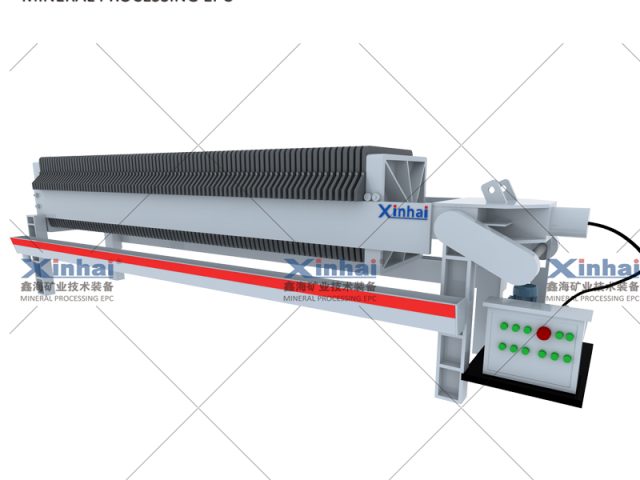
Water recycling is not optional in most jurisdictions. The water from washing and dewatering contains suspended solids. Discharge it directly and you risk fines and environmental penalties. A thickener settles the solids so the clear water can be returned to the washing plant. The settled sludge can be further dewatered with a filter press or a belt filter to make a stackable waste product. This closed water loop reduces makeup water demand and keeps the plant inside its permit.
The USGS National Minerals Information Center publishes statistics and information on construction sand and gravel, including the shift from natural sand to manufactured sand in many markets. ASTM C33, the standard specification for concrete aggregates, sets grading limits for fine aggregate. Both are worth consulting when you write the sand specification.
External reference: USGS Construction Sand and Gravel Statistics and Information. For the standard grading limits used in concrete, see ASTM C33/C33M Standard Specification for Concrete Aggregates.
Line Layout and Order of Operations
Here’s a typical sequence for a dry or wet manufactured sand plant. First, feed the raw rock to a primary crusher, usually a jaw or impactor, depending on hardness. Second, screen the crushed product to remove fines and send oversized material to a secondary crusher, usually a cone. Third, direct the intermediate product to the sand making stage, either a VSI or a rod mill. Fourth, screen the shaped sand to control top size. Fifth, wash the sand to remove clay and ultrafine material. Sixth, dewater the sand and recycle the water.
That sequence is not universal. You can combine screening and washing in a single wet screen. You can replace the rod mill with a VSI and a closed-circuit screen. The order of operations matters less than the control points: the sand making machine sets the shape, the screen sets the top size, the washer sets the clay limit, and the dewatering screen sets the moisture.
Don’t underestimate the importance of sample test work. A crusher that works on a clean granite may blind on a weathered granite with 10 percent clay. A rod mill that makes excellent sand from a medium-hard limestone may wear too fast on a quartzite. Your vendor should run the material through a pilot plant or at least a bench-scale test before you commit to a full line. That’s standard practice in mill sizing and process design.
Xinhai reports more than 600 EPC+M+O projects according to the company’s published figures, and that experience includes sand and aggregate plants as part of broader mineral processing flowsheets. You can review case studies on the projects page to see how similar plants were laid out. But the engineering decision still belongs to the target specification, not to a brochure.
Common Mistakes to Avoid
One mistake is buying the sand making machine before defining the product. You end up with a line that makes sand, but not the sand your customer wants. Another mistake is ignoring water treatment. A sand plant that can’t recycle its water will struggle with permits and operating costs. A third mistake is under-sizing the screening area. Screens are cheap compared to crushers, but a bottleneck screen will limit the whole plant throughput.
Don’t skip the clay test. A simple methylene blue test or sand equivalent test on the feed will tell you how much washing you need. If the clay content is high, double the washing capacity or you’ll produce sand that fails the specification. One more thing: don’t assume a dry VSI will work on damp feed. Wet sticky feed belongs in a wet circuit, and that changes the dewatering and water recycling load.
Putting the Line Together
A manufactured sand plant is an exercise in constraint matching. The mining equipment you choose has to fit the rock hardness, the feed size, the clay content and the target fineness modulus. The sand making machine is only one part of that system. The screening and washing equipment are just as important, and the dewatering and water recycling loop often decides whether the plant is profitable.
When you sit down with an equipment vendor, bring the complete sand specification. Include the fineness modulus range, the shape index or flakiness limit, the clay or silt content, and the target moisture. Then ask the vendor to show you a flow diagram, not just a machine list. If they can’t explain how the screen opening was chosen or how the water balance works, keep looking.
Sand machinery selection isn’t about the biggest crusher or the fastest rotor. It’s about building a line that reliably hits the specification at the lowest operating cost per tonne. Get the process right first, and the equipment choice will follow.
Frequently Asked Questions
What is the difference between a VSI and a rod mill for sand making?
A VSI uses high-speed impact and attrition to shape particles, producing a cubical product and controlled fines. A rod mill grinds by line contact with steel rods, giving a uniform product with fewer ultrafines. The choice depends on feed hardness, abrasiveness and the target particle shape and clay limits.
How does fineness modulus affect sand machinery selection?
Fineness modulus is a dimensionless index calculated from cumulative percentages retained on a specified sieve series. It sets the target grading. You adjust the sand making machine, screen openings and washing intensity until the product falls within the specified range. The specification drives the machine choices.
Why is washing necessary for manufactured sand?
Washing removes clay, silt and ultrafine particles that harm concrete workability and strength. A sand specification usually limits clay content. Washing equipment such as screw classifiers, log washers or hydrocyclones removes these fines before dewatering.
How does dewatering and water recycling work in a sand plant?
After washing, sand is dewatered on a vibrating dewatering screen or with a hydrocyclone and screen combination. The water containing clay and ultrafine particles goes to a thickener or settling pond. Clarified water returns to the washing circuit, and the settled sludge can be further dewatered for stacking.