
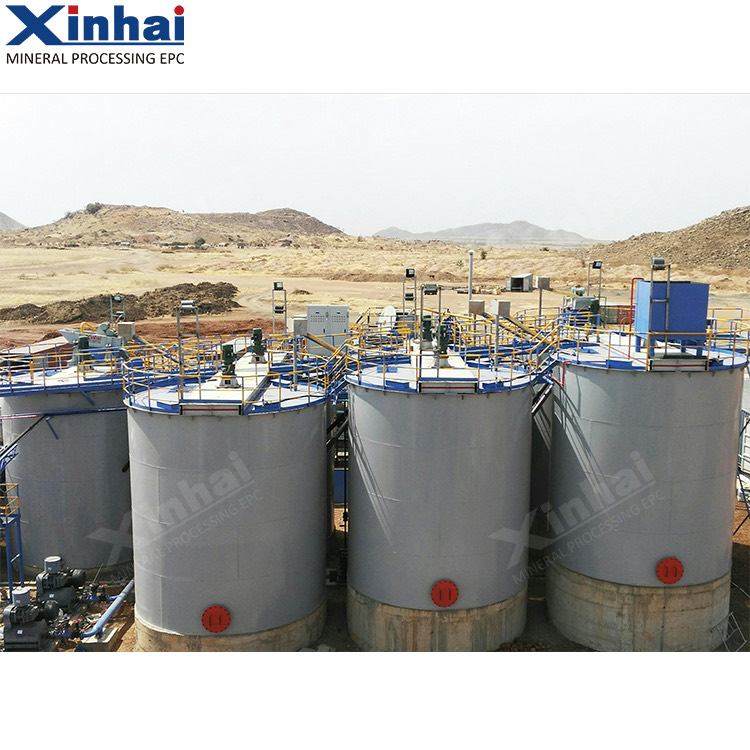
Zimbabwe, gold, 500 t/d, delivered as EPC plus operation
Here’s the project in one paragraph, before any of the reasoning. A 500 t/d gold operation in Zimbabwe, contracted as EPC plus operation. Two outcomes are on record for it: the mining and processing flow was customized and optimized to the orebody to maximize recovery from the resource, and standardized training was delivered to build a capable local team. Recovery, grade and throughput figures aren’t in our project archive for this one, so you won’t see any quoted below.
- Country — Zimbabwe
- Ore — Gold
- Capacity — 500 t/d
- Scope — EPC + O: engineering, procurement and construction, plus operation
- Recorded outcome 1 — mining and processing flow customized and optimized to the orebody
- Recorded outcome 2 — standardized training for the local team
Why 500 t/d leaves no room for a copied flowsheet
Five hundred tonnes a day is a small plant. That’s precisely what makes it demanding. At high tonnage a mediocre flowsheet gets buried under volume — you lose value, but you still make money. At this scale there’s no cushion. Every tonne through the mill has to pay for itself, and a circuit copied off someone else’s mine will quietly bleed cash for the whole life of the operation.
Contract structure carries as much weight as circuit design at this size. Split engineering, equipment supply, construction and operation across four separate agreements and the seams between them belong to nobody. EPC plus operation, the form used on this project, puts mine design, plant design and the running of the operation under one accountability.
What EPC+O covered on this project
EPC is the familiar part. Engineering, procurement, construction: test work and design, equipment supply, civil and structural build, installation, commissioning. The O is where the shape of the deal changes. Xinhai stayed on after handover and ran the operation, which means the people who drew the flowsheet were the same people who had to live with it at three in the morning when something tripped.
That one fact changes how a design gets made. An engineer who leaves at commissioning optimizes for a smooth ramp-up. An engineer who stays optimizes for the long haul — spares availability, wear part access, how many minutes it takes to clear a chute, whether a local fitter can service a pump without flying in a specialist. You can see how the wider delivery model is structured on our mineral processing EPC page.
Scope here covered the mining side as well as the processing side. That matters more than it sounds. Mine and plant are often contracted separately, and the seam between them is where value tends to go missing — dilution nobody owns, feed variability nobody planned for, a grade control practice that suits the loader operator and ruins the leach.
How the flowsheet got decided
Not by catalog. The mining and processing route on this project was customized and optimized to the orebody, with the aim of maximizing recovery from the resource rather than simply pushing tonnage through the mill.
Here’s the discipline behind that. Gold behaves differently in every deposit. Coarse free gold wants gravity. Fine gold locked in sulfides wants finer grinding and flotation or leaching. Carbonaceous material will rob gold straight back out of solution if you ignore it. None of this is guesswork — it comes out of the test work, and the flowsheet stays open until those results are in. Xinhai runs an accredited laboratory and pilot-scale facilities, and the company reports experience across more than 70 ore types, which is the pool a design team draws on when a fresh sample lands. Our overview of gravity, flotation and leaching routes walks through how that choice gets made.
Equipment selection follows the same logic. A centrifugal concentrator earns its place only if the ore actually carries recoverable coarse gold; on the wrong feed it’s an expensive way to move slurry. Grind size, tank sizing, dewatering — each one is a decision with a cost attached, and at 500 t/d a wrong call shows up on the monthly numbers within a quarter.
Small doesn’t mean simple. It doesn’t mean cheap engineering either. If anything a small plant deserves more design attention per tonne, because there’s less margin to absorb a mistake. That’s the argument we lay out in the small-scale gold plant guide.
Why standardized training was part of the contract
Standardized training for the local team was a deliverable on this job, not a courtesy. Think about what an operating contract in a remote district actually needs. Somebody has to read reagent dosing correctly on night shift. Somebody has to notice the cyclone overflow looks wrong before the tails assay says so two days later. You can’t fly that in.
Standardized is the operative word. Ad hoc, over-the-shoulder training generally produces five operators with five different habits and no way to audit any of them. In this industry, standardized training means written procedures, defined competencies and a consistent handover, so the shift crew behaves the same way whoever is on it. What goes into that package is agreed contract by contract. For an owner, training is also the exit route — a capable local team is what makes the plant transferable back into your own organization later.
What this EPC+O contract actually delivered
Two results are on record for this project. The mining and processing flow was customized and optimized to the orebody to maximize recovery from the resource. And standardized training built a capable local team on site.
You’ll notice there are no percentages above. Recovery, grade and throughput figures for this operation aren’t recorded in our project archive, so they aren’t quoted here. Where figures were measured on other work, we’ll point you to those projects instead.
What this means for your project
Weighing up a small gold plant? Three things from this job carry across. Put the mine and the plant under one accountability, or at the very least one shared design review. Fix the flowsheet after test work, never before. Write training into the contract with defined competencies, instead of hoping it happens somewhere during commissioning.
Xinhai has been in mine engineering since 1997, and according to the company’s published figures has delivered more than 600 EPC+M+O projects across 100-plus countries and regions. Small plants are part of that book, not an afterthought. See more delivered work on our project cases page, review the process options under gold processing solutions, or send us your ore data and target tonnage and we’ll tell you what the test work has to answer first — get in touch.
Frequently Asked Questions
How long does it take to build a 500 t/d gold plant?
We don't put a schedule on paper before the test work and site conditions are known, because the honest answer depends on things nobody can see at enquiry stage: how the gold occurs, how much civil work the terrain demands, port and road logistics, and how power and water get to site. What we can do early is give you a staged plan — test work, then design, then long-lead equipment, then construction and commissioning — and tell you which of those steps sits on the critical path for your location. Any contractor quoting a firm completion date before seeing your ore is guessing.
What does a plant this size cost to build?
There's no list price, and be wary of anyone who offers one. Capital cost at 500 t/d is driven by the flowsheet your ore forces on you — a simple gravity circuit and a full leach plant with elution and electrowinning are different animals — plus civil works, power supply, tailings storage and freight to site. Send us ore samples or existing test results with your target tonnage and we'll scope the circuit first, then price it. Costing a plant before the flowsheet is settled just produces a number you'll have to throw away.
Who trains the local operators, and what does the training cover?
On this Zimbabwe project, standardized training for the local team was part of the delivered scope. That is what is on record for it, and no syllabus beyond that is published. For a new contract, scope and syllabus are agreed contract by contract. Where Xinhai takes operating scope, that scope can cover production, equipment, safety, environmental and human-resource management on site, and training sits inside it. Tell us what your circuit looks like and who you already have on the payroll, and we'll tell you what the training package would need to cover.
Why choose EPC+O instead of a plain EPC contract?
Because it aligns the incentives. Under plain EPC the contractor's job ends at commissioning, so the design is optimized to pass a performance test. Under EPC+O the same organization operates the plant afterward, which means awkward maintenance access, unrealistic reagent assumptions and hard-to-source spares become its own problem. It suits owners who are entering a new jurisdiction, building their first plant, or who want an operating team trained up before they take the asset over. If you already have a strong operations organization, plain EPC may be the better fit — we do both.
More projects
500,000 t/a Wollastonite Mining — Jiangxi, China
Standardised mining practice implemented across the operation, with ore dilution held strictly below 5%
Read case →
1,500 t/d Copper Plant Design — Pakistan
A design-only (E) engagement for a 1,500 t/d copper concentrator; Xinhai's recorded scope was engineering and…
Read case →
2 Mt/a Spodumene Lithium Plant — Zimbabwe
Mill throughput 7.6% above design capacity, 95.7% equipment utilization, concentrate grade held above 5.5%, recovery raised…
Read case →