
Two lithium minerals in one pegmatite
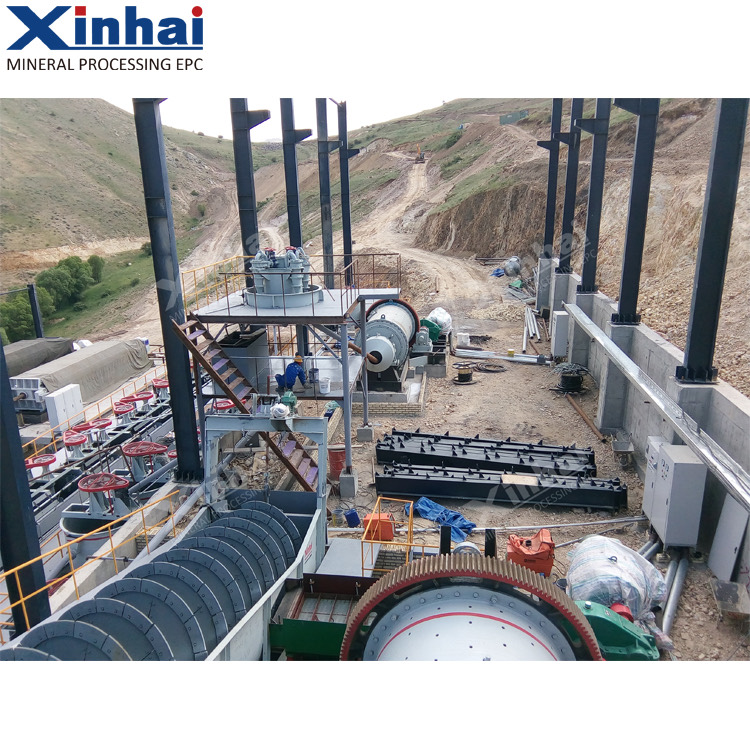
Xinhai delivered and operated a 2 Mt/a spodumene concentrator in Zimbabwe under an EPC+M+O contract, went from contract signature to production in 364 days, and recorded recovery of 59.5% rising to 69% across the operating phase. The deposit behind those numbers carried more than one lithium mineral. Spodumene, yes. Petalite sat right alongside it, with mica running through the gangue and a tantalum-niobium credit in the ore. One concentrator line handled the lot. The commercial model was cost-plus-profit-sharing, so the contractor’s return moves with how the plant performs. That is a different commercial animal from a supply-and-go equipment order.
Tie a fee to output and the incentives around flowsheet selection, spares policy and staffing all start pointing the same way. Mineralogy set the engineering problem on this job. Contract structure set who carried it.
What the scope covered
Everything from E through to O. Ore characterization and beneficiation test work came first, then process design, plant engineering across the full discipline set, equipment manufacture and procurement, construction, installation and commissioning. The operating contract took over after that. Under the EPC scope, equipment is manufactured at Xinhai’s own production bases.
Operating services can cover production, equipment, safety and environmental management, plus spare parts, materials, technical consulting and after-sales support, and may include expansion support where an owner plans to grow the plant later. What any single operating contract actually carries is written into that contract, not assumed from a standard menu.
From contract signature to production: 364 days. That window covers engineering, procurement, construction and commissioning on a 2 Mt/a concentrator. You can read how the pieces fit together on our mineral processing EPC page.
Why flotation lost the argument
The instinct on a lithium pegmatite is to float everything. Test work said no.
Petalite was the sticking point. It would not separate cleanly by flotation, so the test program changed direction and went after a density split instead.
Two stages proved the case. In the laboratory, heavy-liquid separation using tetrabromoethane established that petalite could be pulled away from waste on density alone. That is the cheap test, and it tells you whether dense-media separation is even worth discussing. A pilot campaign using a ferrosilicon medium then confirmed the same split under conditions a working plant could reproduce, since a heavy liquid in a beaker and a ferrosilicon medium in a cyclone are not the same animal. Only after the pilot ran did the flowsheet get fixed.
None of this is exotic mineralogy. The U.S. Geological Survey’s Mineral Commodity Summaries 2026 lithium chapter lists petalite alongside spodumene and lepidolite among the lithium minerals produced commercially, and counts Zimbabwe among the countries with operating hard-rock lithium mines. Two lithium minerals in one pegmatite is an ordinary situation. Assuming a single flotation circuit will handle both is where projects get into trouble.
Test work is the stage buyers compress to save money, and it is the stage that decides whether the plant works. A density-based front end that has survived pilot scale is worth more than a flotation circuit that only performs in a lab notebook.
The flowsheet that got built
Seven stages, in this order:
- Crushing and screening — size reduction ahead of the density stage.
- Dense-media separation (HMS) — recovers petalite before any fine grinding.
- Grinding and classification — liberation for whatever reports downstream.
- Gravity concentration — recovers the tantalum-niobium credit.
- Desliming — removes fines ahead of the float.
- Mica flotation — strips mica out of the pulp.
- Spodumene flotation — finishes the job.
Order matters as much as hardware here. Reject waste coarse, recover the by-product before the fines get away, clean the pulp before you ask a collector to be selective; that sequence holds on plenty of pegmatites, not only this one. Putting HMS ahead of the mills keeps a real share of the feed out of grinding entirely, which takes load off the whole downstream circuit. The units used at the gravity stage sit in our gravity concentration equipment range.
Want the process logic in more depth? Our spodumene flowsheet guide walks through it step by step, and the lithium processing solution page shows how the same building blocks get rearranged when the pegmatite changes.
What the operation delivered
Results recorded for the operating contract:
| Metric | Result |
|---|---|
| Mill throughput against design capacity | 7.6% above design |
| Equipment utilization | 95.7% |
| Concentrate grade | Held steady above 5.5% |
| Recovery | From 59.5% to 69% |
| Extra concentrate output | Roughly 70,000 t per year |
Read the table as five separate entries in the project record, not as a chain. Each line was measured on its own, and none of them is offered here as the reason for another. Throughput above design, high availability and metallurgical recovery all move annual tonnage, so no single line owns the extra output.
Utilization is the quiet entry on that list and also the one that turns into money, since a concentrator that is stopped produces nothing at any recovery. Grade holding steady matters to the offtake buyer more than a good month does; a consistent product is what gets contracted. And the recovery figure is a two-point reading, start and end of the operating phase, which is the honest way to report plant tuning: it happened over the contract, not on a commissioning day.
What this means for your project
Three things carry over.
First, test work decides the flowsheet, not the other way round. Skip the heavy-liquid and pilot stages on an ore carrying two lithium minerals and you have committed to a flotation plant before anyone knows whether flotation can do the job. Second, contract structure is an engineering variable, not just a commercial one. Tie a contractor’s fee to plant output and the design conversation changes shape. Third, the numbers a plant shows at handover are rarely its final numbers; on most circuits the tuning work carries on well past commissioning, and it lives in grind size, reagent addition and availability rather than in new steel.
Xinhai reports more than 600 mine EPC+M+O projects across 100+ countries, and according to the company’s published figures its research institute runs roughly 200 ore-dressing test programs a year covering 70+ ore types, through a CNAS-accredited laboratory and an industrial-scale pilot base. Equipment ranges that show up on lithium circuits include wet ball mills and complete spodumene processing lines.
Your pegmatite will not behave like this one. Mineral assemblage, mica content, the petalite-to-spodumene ratio, the presence or absence of a tantalum credit; all of it moves the answer. Send us a sample and we will tell you what the test work says. Other builds sit on our projects page, or get in touch to start a test program.
Frequently Asked Questions
How is the delivery schedule set for a plant this size?
The schedule is built backwards from commissioning, not forwards from signature. Long-lead items such as mills and flotation cells set the critical path, so their manufacturing slots get locked before civil work starts. On this Zimbabwe project the span from contract signing to production was 364 days. On EPC deliveries these phases are normally overlapped rather than run in series, which is where most of the compression comes from. Your own schedule depends on site access, power and water availability, permitting and how much test work still has to be done, so we only commit to dates after the ore is characterized and the flowsheet is fixed.
How much investment does a 2 Mt/a lithium plant need?
There's no honest single answer, and anyone quoting one before seeing your ore is guessing. Capital cost follows the flowsheet that the test work forces on you. A dense-media front end, a grinding circuit sized for your liberation size, a gravity stage for tantalum-niobium and a two-stage flotation section are separate cost blocks, and dropping or adding one moves the total considerably. Civil scope, site remoteness, power supply and tailings storage often matter as much as the process equipment. We produce a capital estimate as part of the study phase, after bench and pilot results, so the figure is tied to your orebody rather than to a template.
Who runs and staffs the plant under EPC+M+O?
We do, during the operating contract. Operating services can cover production, equipment, safety and environmental management, plus spare parts, materials, technical consulting and after-sales support, with the exact list written into the contract rather than taken from a standard menu. On this Zimbabwe operation the commercial model was cost-plus-profit-sharing, which ties the contractor's return to plant performance. Handover of day-to-day running to the owner's own people is something to write into the contract up front, with a pace and a set of milestones attached, rather than leave to be argued about later.
Why choose dense-media separation over flotation on a lithium pegmatite?
Because some lithium minerals don't respond to flotation the way spodumene does. On this ore, petalite could not be separated effectively by flotation, so the test program moved to dense-media separation. Laboratory heavy-liquid work with tetrabromoethane confirmed a density split was achievable, and a pilot run with ferrosilicon medium verified it under plant-like conditions. HMS also rejects waste at coarse sizes, so less tonnage goes through the mills. Whether it suits your deposit depends on mineralogy and liberation, and only test work answers that.
Can recovery be improved at a lithium plant that's already running?
Often, yes, and usually without rebuilding the circuit. At this operation recovery climbed from 59.5% to 69% during the operating phase. On an existing plant, start with an audit of the feed you have now rather than a shopping list. Four things to measure first. Grind size distribution, checked against the liberation size the current ore actually needs, not the one in the original design report. Desliming efficiency, because fines carried into a lithium float wreck selectivity. The reagent regime — collector dosage, pH, conditioning time — re-tested on a fresh bench sample. Equipment availability last, since hours lost to unplanned stops show up as lost recovery once you average across a month. What we won't do is promise a recovery number before we've seen your ore.
More projects
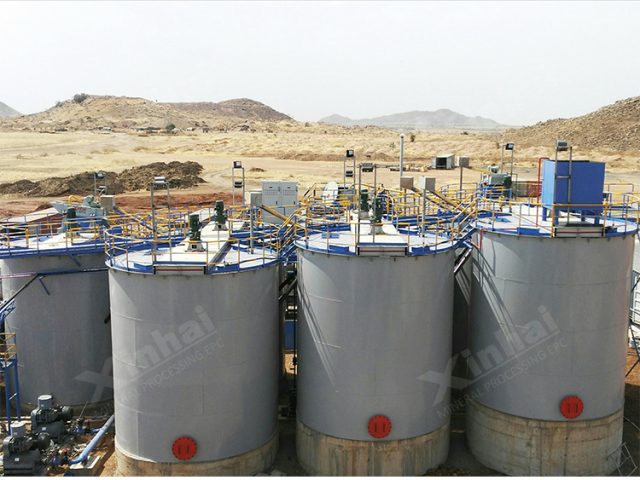
500 t/d Gold Plant — Zimbabwe
Mining and processing flow customized and optimized to the orebody to maximize resource recovery, with standardized…
Read case →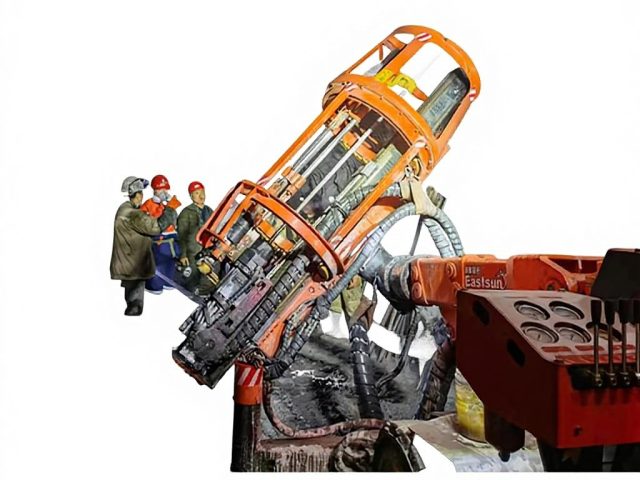
4,000 t/d Molybdenum Mine Development — Hebei, China
Ramp and ventilation shaft construction accelerated, with key milestones completed ahead of schedule behind a fully…
Read case →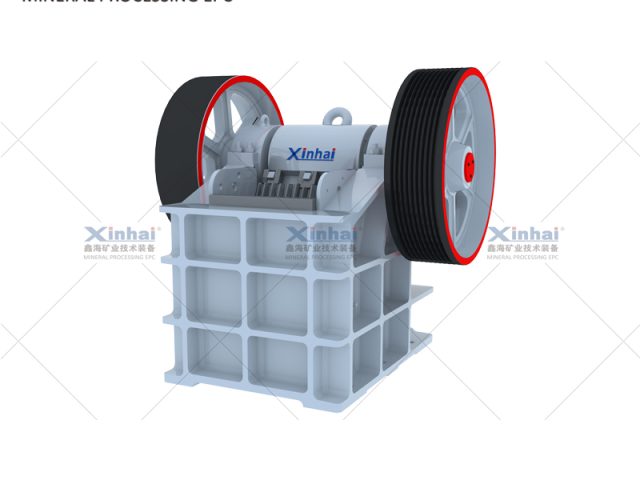
500,000 t/a Wollastonite Mining — Jiangxi, China
Standardised mining practice implemented across the operation, with ore dilution held strictly below 5%
Read case →