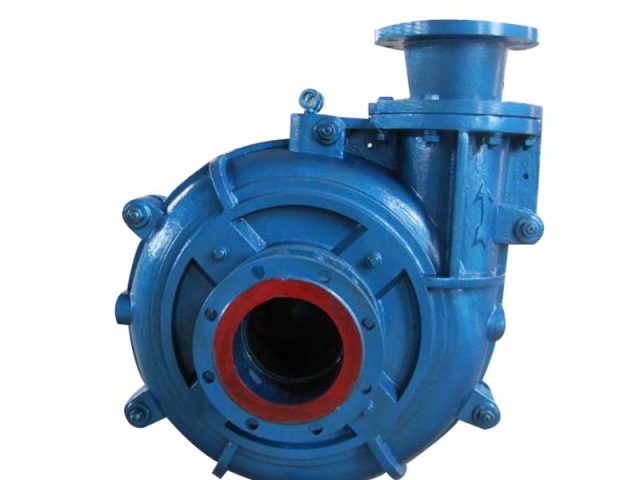
A mining hydrocyclone is quoted per project, not per unit, because the price follows the slurry duty and the installed cluster.

Say a mine owner asks, “What’s the hydrocyclone price?” It’s the wrong first question. A mining hydrocyclone isn’t a shelf item. The quote changes with slurry duty, liner choice, cluster size, valves and instrumentation. So before you ask for a number, work through the six cost drivers.
What drives hydrocyclone price: the six cost drivers
You can’t price a hydrocyclone without describing what it will do. The first driver is cylinder diameter and cluster size. A 150 mm hydrocyclone does a different job than a 660 mm one. Larger diameters move more volume but cut coarser. If your plant needs fine classification, you may need many small cyclones in parallel instead of one big one. That cluster arrangement multiplies the number of shells, apexes and liners, and the price follows.
Liner material is the second driver. Rubber, polyurethane and ceramic each suit different slurries. The liner isn’t a minor accessory; it’s the part that takes the wear. You’ll replace it more than once. So the initial liner choice changes the total cost of ownership far more than the first invoice.
Third, the manifold and valves. A cluster needs a feed distributor with even pressure, isolation valves and sometimes dart valves for apex control. Those components are part of the hydrocyclone package, and they’re priced per cluster, not per cyclone. Fourth, instrumentation and automation. Feed pressure transmitters, flow meters, density gauges and PLC panels add cost but reduce operator error. Fifth, the scope of supply. One quote may cover only the cyclone shells. Another may include feed pumps, piping, support steel and installation. You must compare the same scope. Sixth, the operating conditions themselves. Feed pressure, solids concentration and particle size distribution determine the duty and therefore the sizing. A quote based on guessed conditions is a guess, not a bid.
None of these drivers is a list price. A supplier needs hydrocyclone separator sizing data before it can build a bill of materials. Ask for an itemised quote that splits shells, liners, manifold, valves, instruments and spares. That’s the only way to compare two bids.
Hydrocyclone types and where mining buyers should start
Mining hydrocyclones separate solid particles from liquid by size and density. Don’t confuse them with small plastic sand separators sold for irrigation or car washes. Those visible prices are for different machines, often just a plastic body with a sintered alumina insert. Mining buyers should start instead with the centrifugal classification range: XC I, XC II, XC III, XHCV and XN series. These are fit for slurry duties in grinding circuits, desliming, and tailings dewatering.
Solid-liquid hydrocyclones, the type used in mineral processing, handle abrasive slurries with high solids. Liquid-liquid hydrocyclones, used in oil and water separation, work with low solids and different geometry. For mining, you’ll almost always specify a solid-liquid design. Single units work for small flows or pilot plants, but production plants rarely use one hydrocyclone alone. The normal arrangement is a cluster of units in parallel, sharing a feed manifold and a common overflow launder. This cluster approach scales capacity while keeping each cyclone operating at the right pressure and cut size. You can compare that design choice with a spiral classifier versus hydrocyclone when you need a coarser split.
Xinhai reports more than 600 mine EPC+M+O projects, according to the company’s published figures. In those flowsheets, hydrocyclones sit inside closed grinding circuits more often than anywhere else.
How operating conditions change the quote
Cut size and throughput are coupled. You can’t separate them from pressure, concentration, particle size distribution and the cyclone’s internal dimensions. A supplier who quotes “50 to 800 cubic metres per hour” without asking about your slurry is giving you a catalogue number, not a duty. The XHCV series does have a 50 to 800 m³/h reference range, but it only works with stated feed pressure, solids concentration and particle size. Detach that range from the operating point and it means nothing.
Feed pressure matters because it changes the centrifugal force inside the cyclone. Higher pressure pushes finer particles to the overflow, but it also increases wear and power consumption. Slurry density matters because thick slurries hinder classification and change the cut point. The same cyclone at 20% solids and 45% solids will produce different overflow and underflow streams. If you haven’t measured your particle size distribution, you’ll end up with a cyclone that produces the wrong split. So a proper RFQ starts with a sample or at least a particle size curve.
The U.S. Environmental Protection Agency’s design report for a sediment treatment project specified about 34 operating 6-inch hydrocyclones, each handling roughly 145 US gallons per minute, to cover a 5,000 gpm feed. That’s a real example of operating conditions driving cluster size, not a price. It shows why you can’t size one cyclone from a flow alone. The report also notes that the feed system used flow controls and recycling to keep pressure consistent. That consistency is part of what a good quote should describe. Read the EPA design report if you want to see how a hydrocyclone bank is specified.
Liner material and wear life: where the long-term cost sits
The liner is where a hydrocyclone either earns its keep or bleeds maintenance budget. You have three common choices: rubber, polyurethane and ceramic. Rubber works well for fine, wet, abrasive slurries with modest impact. Polyurethane offers a balance of abrasion resistance and light weight, and it often suits coarse sand duties. Ceramic, usually alumina or silicon carbide, handles very abrasive slurries but is brittle and more expensive on day one. The table below compares them by the factors that drive replacement rate, not by price.
| Liner material | Best slurry duty | Wear behaviour | What drives replacement |
|---|---|---|---|
| Rubber | Fine, wet, abrasive; soft feed | Resilient, absorbs impact | Cutting wear at inlet and apex |
| Polyurethane | Coarse, high-solids, abrasive | Good sliding wear, lightweight | Gradual thickness loss |
| Ceramic | Very abrasive, low impact | Hardest, brittle under impact | Chipping and apex erosion |
Liner life is not a fixed number. It depends on particle hardness, shape, feed pressure and solids loading. A rubber liner may last months or years. The only honest answer is to run a wear test or use a reference plant with the same ore. Don’t accept a supplier’s “long life” claim without asking which ore it was tested on. The liner replacement cost often outweighs the initial liner price over the cyclone’s service life. That’s why you should ask for liner thickness, material grade and expected wear rate at your operating point.
If your flowsheet also includes gravity concentration, the same wear logic applies to gravity concentration equipment, but the hydrocyclone liner is your most frequent consumable in a classification circuit.
Sizing a hydrocyclone cluster for your plant
Sizing isn’t picking one cylinder diameter from a chart. It’s matching cylinder diameter, feed inlet, overflow pipe and apex size to your duty, then deciding how many cyclones run in parallel. The cylinder diameter sets the capacity and the approximate cut size. The feed inlet area controls entry velocity and pressure drop. The overflow pipe, often called the vortex finder, sets the fine product limit. The apex, or spigot, controls underflow density and the split ratio. All four dimensions interact. Change one and you shift the operating point.
For a plant that needs 4,000 m³/h of classification feed, you may run a dozen or more cyclones in a cluster. Each unit handles the same pressure and the same cut size. If you use one large cyclone instead, you’ll likely get a coarser overflow and poor classification efficiency. So cluster sizing is a process design task, not a purchase task. You’ll need pilot or laboratory test data, a mass balance and a flowsheet before the equipment price can be fixed. That’s exactly the service described in the mineral processing plant design guide.
The XHCV series reference range, 50 to 800 m³/h per unit, only becomes meaningful after you set the feed pressure, the particle size distribution and the target cut point. Four models, XHCV100, XHCV150, XHCV250 and XHCV400, cover different duties. Never accept a quote that lists only a flow rate without those conditions.
What to put in a hydrocyclone RFQ
A good RFQ forces the supplier to think about your slurry, not your budget. Here’s a checklist to send with your enquiry.
- Slurry description: solids type, particle size distribution, specific gravity, pH, temperature.
- Feed conditions: volumetric flow rate, solids concentration by mass, feed pressure available.
- Performance target: required cut size, overflow fineness, underflow density.
- Liner preference: rubber, polyurethane or ceramic, with reasons from your ore testwork.
- Cluster arrangement: number of operating and standby cyclones, manifold layout.
- Equipment scope: ask for a priced bill of materials that includes shells, liners, manifold, valves, instrumentation, pump, support steel and spares.
Ask for two quote lines: one for supply only, and one for supply with supervision of installation and commissioning. That separation shows where the real cost sits. If a supplier won’t itemise the bill of materials, you can’t compare its quote with another. Don’t buy a hydrocyclone on a lump sum alone.
The U.S. Environmental Protection Agency cautions that, for some mineral processing data, industry and state agencies have expressed uncertainty about the test data. That applies to any vendor using “typical” numbers. Ask for your own test work or a pilot run before locking a quote. The EPA’s AP-42 frequent questions page makes that uncertainty clear.
Hydrocyclone price: why published list prices mislead mining buyers
Search for “hydrocyclone price” and you’ll see small plastic separators with explicit prices. Those are irrigation filters or car-wash sand traps, not mining hydrocyclones. A mining hydrocyclone is quoted per project, not per unit. The total installed cost includes liners, manifold, valves, instrumentation, pumps, support steel and spares. No responsible supplier can publish a per-unit price for a 250 mm mining cyclone without knowing the liner spec and the manifold size. The price depends on the cluster, not the shell.
So when you compare quotes, line them up against the same bill of materials. One bid may look cheaper because it excludes liners or instrumentation. Another may include a pump and support steel. You need the full list. Ask for the quoted delivery week, the liner replacement interval at your duty, and the cost of a spare liner set. Those line items affect the long-term price more than the initial purchase.
Xinhai’s manufacturing base includes a 110,000 m² intelligent equipment research institute and more than 200 patents, according to the company’s published figures. That doesn’t make a price public; it just means the equipment drawings and liners are built to order. The same holds for any serious mining supplier. The quote is an engineering document, not a price tag.
Frequently Asked Questions
How much does a hydrocyclone filter cost?
No honest supplier can quote a mining hydrocyclone filter without your slurry data. The price depends on cylinder diameter, liner material, cluster size, manifold, valves and instrumentation. A small plastic irrigation separator has a different cost structure. Ask for an itemised quote for your duty.
What is the purpose of a hydrocyclone?
A hydrocyclone separates particles by size and density using centrifugal force. In mining, it classifies mill discharge, deslimes feeds and dewaters tailings. The feed enters tangentially, coarse particles report to the underflow, and fines leave through the overflow.
How much does a cyclone separator cost?
For industrial mining duty, there is no list price. A cyclone separator is priced per project. The six cost drivers are diameter, liners, manifold, valves, instrumentation and operating conditions. Compare quotes only on the same bill of materials.
What determines a mining hydrocyclone's price?
The main drivers are cylinder diameter, cluster size, liner material (rubber, polyurethane or ceramic), manifold and valves, instrumentation and automation, and the specified operating pressure and solids concentration. Detach any quote from those conditions and you lose comparability.