
An Italian fluorite orebody, and why it wasn’t routine
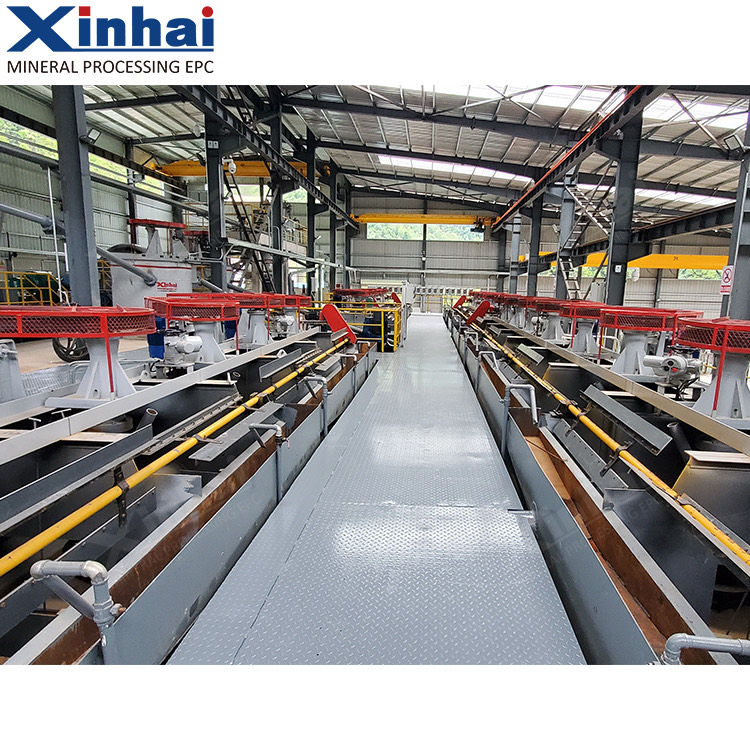
Fluorite isn’t hard to find in Europe. It’s hard to concentrate. This one is a 1,200 t/d fluorite plant in Italy, delivered as a single EPC contract. Our project brochures also record the deposit as a galena-fluorite ore — lead sulphide sitting in the same feed as the fluorspar. One line in a geology report, and the flowsheet changes shape. You can’t call the galena waste. You also can’t let it drift into the fluorite concentrate, because the grade line a fluorspar buyer pays against is a hard one: the U.S. tariff schedule splits metallurgical grade (97% or less CaF2) from acid grade (more than 97% CaF2), a threshold set out in the USGS Mineral Commodity Summaries 2025 fluorspar sheet. Anything riding into the concentrate that isn’t CaF2 pushes you the wrong way across that line.
A plant heading into the EU is never just a machine order. It has to start, it has to run, and it has to survive an inspection. Most of what an inspector eventually asks for gets decided long before anyone pours concrete.
What the EPC scope covered: E, P and C in practice
Engineering, procurement, construction — one contract, three letters, nothing falling between them. Engineering means ore testwork, feasibility study and full-cycle mine design. Procurement means the equipment package gets manufactured and bundled. Construction covers site works, installation and commissioning. Xinhai’s design institute carries 17 disciplines in house — mining, mineral processing, civil, electrical, automation, steel structure, tailings, piping, general layout and the rest. One organisation can therefore take a project from ore sample to running circuit without a stack of interface gaps between separate consultants.
Why bundle it at all? Split design, supply and construction across separate contracts and the interfaces belong to nobody. When a machine’s technical file doesn’t match what’s bolted to the floor, somebody has to own that, and under a single EPC contract there’s nobody left to point at.
How a galena-fluorite flowsheet gets decided
Our engineering archive doesn’t record the unit-by-unit configuration of this plant, so what follows is how Xinhai approaches this ore type in general. Read it as method, not as an inventory of what stands on the Italian site.
Fluorite flotation is a selectivity problem wearing a chemistry costume. Calcite and barite behave uncomfortably like fluorite in a fatty-acid system — all three are salt-type minerals, all three answer to the same collectors. So the separation gets won somewhere else: with depressants such as water glass and its modified forms, with pulp temperature and conditioning time, and with repeated cleaning stages instead of one heroic pass. Build a fluorite circuit with a short cleaner section and it will make mid-grade product forever.
Where galena is present, the usual move is to take it off first. Floating the sulphide ahead of the fluorite circuit keeps lead out of the fluorspar and turns it into a second saleable product; that sequencing logic is the one set out in our lead-zinc processing solution. Comminution sits ahead of any flotation stage. Staged cone crushing into a wet ball mill closed by hydrocyclones is the arrangement we build most often, because grind size sets liberation and liberation sets everything downstream of it. Cell type and cleaner count get fixed against test results rather than a catalogue; the range we build from sits in the flotation equipment section. Concentrate gets thickened and dewatered before it ships.
None of that gets decided at a desk. Xinhai runs a CNAS-accredited laboratory to ISO/IEC 17025 alongside a pilot facility, and reports roughly 200 beneficiation test programmes a year across the 70-plus ore types it lists. Grind size, reagent dosage, temperature, number of cleaning stages — you confirm them on your own ore, then you design around what the ore told you.
CE is a design input, not a certificate you add at the end
This is where exporters get caught out. CE conformity works backwards into the design basis: which directives apply, how guarding and emergency stops are specified, how the electrical and control design is documented, what the technical file has to contain, and how every supplied item carries its own conformity evidence. Miss it at the equipment stage and you’ll be retrofitting guards and rewriting documents on a European site, at European labour rates, with the plant standing still.
On this project, CE certification ran through the whole delivery rather than arriving at handover. Xinhai operates under management systems certified to ISO 9001:2015, ISO 14001:2015 and ISO 45001:2018 — quality, environment, occupational health and safety — and holds EU CE certification for its equipment. Shipping a container of machines is one job. Handing over a plant an inspector will sign off is a different job, and the difference shows up in the documentation long before it shows up on site.
What’s actually confirmed about this project
- Country: Italy
- Ore: fluorite (recorded in the original brochure as a galena-fluorite ore)
- Capacity: 1,200 t/d
- Scope: EPC
- Verified outcome: Xinhai’s first full-scale EPC project in Europe
- Verified outcome: CE certification across the whole scope
That’s the list, and we’ll stay inside it. Recovery percentages, concentrate grades and schedule figures for this plant aren’t in our verified records, so you won’t find them invented on this page. Ask us what testwork a fluorite ore like yours would need, and what the test report would actually tell you — that’s something you can check.
What this means for your project
If your fluorspar sits in a jurisdiction with real compliance teeth, put three questions to any EPC bidder early. Who signs the conformity documentation for each machine? Which standards enter the design basis, and at which stage? And who is standing on your site when the inspector walks in?
Xinhai reports more than 600 mine EPC+M+O projects across over 100 countries and regions since the group was founded in 1997 — those are the company’s own published figures. The Italian fluorite plant is the first full-scale European entry in that portfolio. Weighing a similar scope? Start with how mineral processing EPC works, look through the other project cases, or send us your ore details and we’ll tell you what testwork the flowsheet needs before anyone quotes you a number.
Frequently Asked Questions
How is the delivery schedule for a plant like this actually set?
It's built backwards from the long-lead items and the site season, not promised up front. Testwork and flowsheet sign-off come first, then equipment manufacture, then civil works, erection and commissioning, with the CE technical file assembled in parallel rather than at the end. We won't quote you a duration before the ore test is done and the site conditions are known, and we don't publish schedule guarantees. What we will do is show you the milestone structure and where the real risk sits.
What does a 1,200 t/d fluorite plant cost to build?
There's no honest single figure, and anyone giving you one before seeing your ore is guessing. Capital cost moves with grind size, the number of cleaning stages the separation needs, whether a sulphide circuit is required ahead of the fluorite float, site power and water, terrain, and how much civil work the layout forces. The ore test drives most of it. Send the ore details and the target concentrate spec and we'll scope the flowsheet first, then price against it.
Why does lead sulphide in a fluorite ore matter so much?
It's a grade problem before it's anything else. Acid-grade fluorspar is defined above 97% CaF2 and metallurgical grade at 97% or below, per the USGS Mineral Commodity Summaries. Every unit of galena that reports to the fluorite concentrate is a unit of something that isn't CaF2, so it eats directly into the grade you get paid for. Pull the sulphide out ahead of the fluorite circuit and it stops being a contaminant and starts being a second product.
Who trains the local operating team?
Xinhai's commissioning engineers do it on the plant itself, during and after start-up, covering circuit logic as well as buttons: what to change when the cleaner froth thins out, how reagent dosage and conditioning time interact, and what the control system is telling you. Handover documentation goes to the operating crew in working form, not as a shelf ornament. Where an owner wants ongoing support after start-up, that's contracted separately under our management and operation services.
Does Xinhai handle European compliance itself, or is that on the owner?
Equipment conformity and the associated technical documentation sit with us as part of the EPC scope, which is how this project was delivered under CE certification. Xinhai holds EU CE certification for its equipment and operates under ISO 9001:2015, ISO 14001:2015 and ISO 45001:2018 management systems. Permitting, land and anything tied to your local authority stays with the owner, but the design basis is written so it lines up with what those authorities will ask for.
More projects
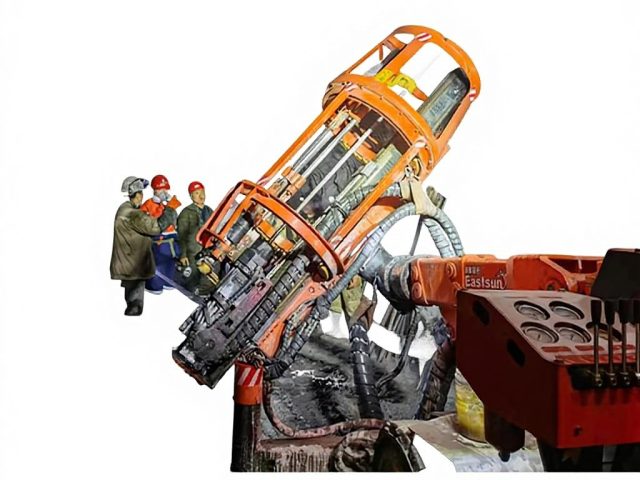
4,000 t/d Molybdenum Mine Development — Hebei, China
Ramp and ventilation shaft construction accelerated, with key milestones completed ahead of schedule behind a fully…
Read case →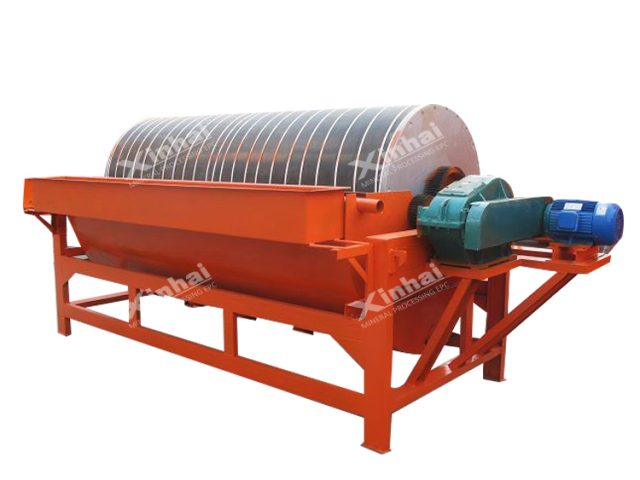
3,500 t/d Iron Ore Plant — Mongolia
Primary iron concentrate at ≥65% Fe with a yield of about 31%, plus a secondary concentrate…
Read case →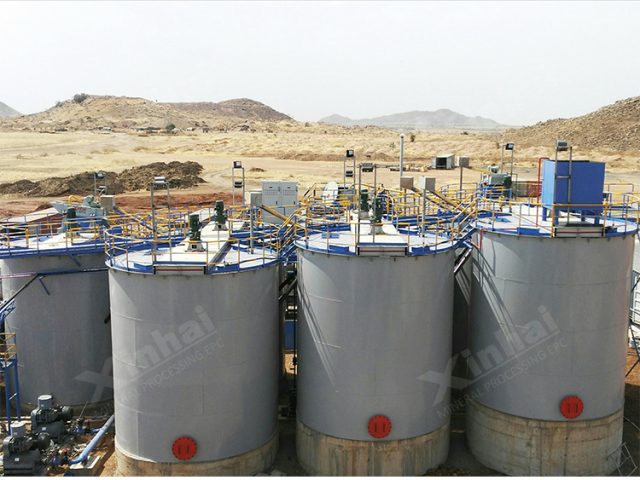
500 t/d Gold Plant — Zimbabwe
Mining and processing flow customized and optimized to the orebody to maximize resource recovery, with standardized…
Read case →